
Choosing between hiring movers and renting a truck makes a big difference in your moving experience. This decision will affect how long it takes to move, how much work you have to do, what kind of risks you face, and how much money you spend. Both ways can work, but which one suits you better?
What Each Option Actually Involves
Hiring Professional Movers
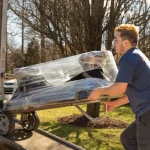
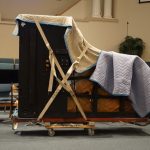
When you hire movers you are paying for people to do the work, the equipment they use, the truck to move your things, and insurance to cover any damage. The people from the moving company will pack up your belongings, make sure they are safe in the truck, drive to your place, and unpack everything. Most companies that do everything for you also offer to pack your things for a fee.
Professional movers have to follow rules depending on where you are moving. If you are moving to a state, the move is controlled by the Federal Motor Carrier Safety Administration, which is also known as the FMCSA. The FMCSA has rules about licenses and insurance that moving companies must follow. If you are just moving elsewhere in the same state the rules are made by the state.
A Plus Moving services will help you make your move smooth. Our team will take care of moving your belongings and free your mind for more important details of the move. Call us today at (800) 919-6332!
Renting a Moving Truck
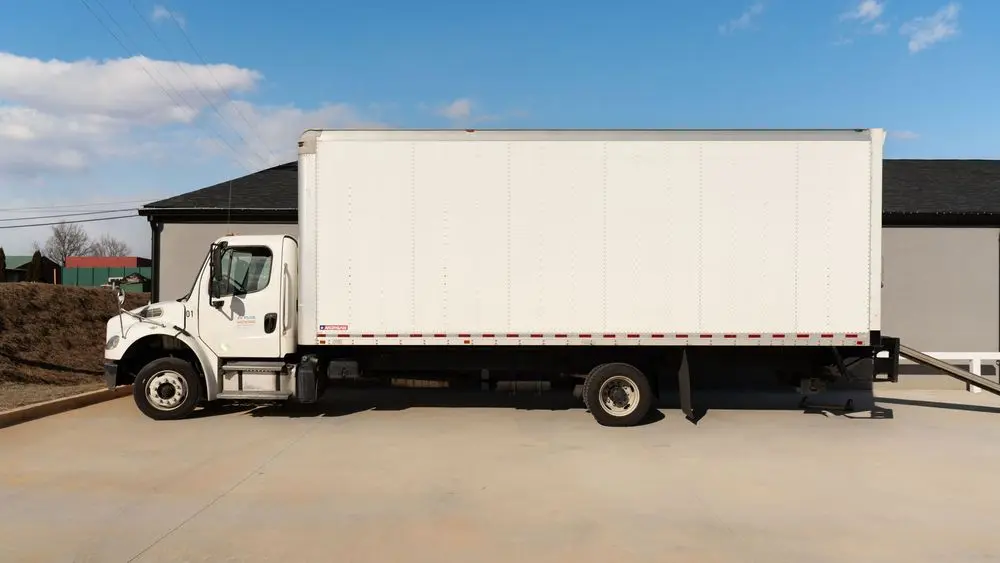
Truck rental puts you in the driver’s seat, literally. You reserve a truck, pick it up on moving day, and return it when done. Everything else falls on you.
You are the one who needs to pack, load, and unload the truck. You have to drive and you have to be responsible for any damage that may happen.

Getting Accurate Quotes from Professional Companies
To get an idea of how much the move will cost, you need to do more than just make a few phone calls. The information you give to the moving companies is very important, because it affects how accurate the quote is.
Step 1: Make a list of everything you have. Go through each room. Write down every single item. For pieces of furniture include how big they are. Also, note down items that need care, when they are moved.
Step 2: Think about any problems the movers might have when they come to your place. Measure the doors, stairs and elevators. See how far it is from your door to where the truck will be parked. Some buildings do not let you use the elevators without making a plan of time.
Step 3: Ask the moving companies to come to your home or do a video call, so they can see what they will be moving.
Step 4: Get quotes from least three different moving companies. Ask them to give you a list of everything, they will charge you for, including how much they charge per hour, how much time it takes to travel, what materials they need, and any extra fees. Also, ask if the quote they give you is final or if it might change.
Step 5: Check to make sure the moving company is legitimate. Look up their USDOT number, on the FMCSA website. See if they have a safety record and if people have complained about them before you decide to hire them.
Red Flags When Hiring Movers:
- The company doesn’t have a physical address or USDOT number
- When movers request big deposits upfront or accept only cash
- When they give you estimate without looking at your belongings
- If a name on a truck is different from the name of the hired company
- Contract has blank spaces to fill in later
Cost Comparison: More Than the Base Rate
The price difference between these options isn’t straightforward. Professional movers typically charge more upfront, but truck rentals accumulate costs that aren’t always obvious.
Physical Demands and Injury Risk
Moving companies exist for a reason, and not just because there are people who are “lazy” to do the job themself, but because this job requires certain skills. The U.S. Bureau of Labor Statistics says that movers get hurt more often than other workers. When you move by yourself you take that risk.
Lifting a couch down a small stairway with people who do not know what they are doing can cause you a real injury. Bad positions, getting tired and not lifting correctly can cause back pain and muscle strains. A box that is not too heavy at first can become very heavy after you carry it many times.
Professional movers do this work every day, so they know the ways to do it and how to use the equipment. That does not mean they will not get hurt. But the experience they have helps. They also have insurance that compensates them, if they get hurt on the job.
WARNING:
If you have pre-existing back, knee, or shoulder issues, carefully consider whether DIY moving is realistic. Medical costs from a moving-related injury can exceed what you’d save.
Time and Driving Considerations
Moving with a rental truck takes a lot of time not on moving day. You have to research options, pick up the truck, load it carefully, drive slowly in a vehicle you’re not used to, unload and then return the truck. A local move that professional movers do in four hours might take you twelve to sixteen hours.
Most people don’t drive vehicles that’re 20+ feet long and 12+ feet tall every day. You have to check how high bridges and parking garages are and remember that the truck is wider and turns differently. City streets can be tricky with roads and aggressive drivers. Long highway drives require you to stay focused.
Liability and Damage
Professional movers provide you some coverage, usually $0.60 per pound per item but thats not the full value of your stuff. If you want protection you have to pay extra and it covers your items at their current value.
When you rent a truck you’re responsible for any damage to the vehicle. The rental company checks the truck before and after you use it and charges you for any new damage. You don’t have any coverage, for your belongings unless you arrange it separately. If your furniture breaks, because you didn’t secure it properly, you are the one to pay.
When Each Option Makes Sense
Professional Movers Work Better For:
- Households with three or more bedrooms
- Moves involving stairs or elevator restrictions
- People with health limitations or mobility concerns
- Situations where reliable help isn’t available
- Time-sensitive relocations with strict deadlines
Truck Rental Works Better For:
- Studio or one-bedroom apartments
- Short distances under 100 miles
- Situations with reliable, committed help
- Flexible timing with mid-month or mid-week availability
Common Mistakes to Avoid
People consistently misjudge space needs. Renting a truck that’s too small forces multiple trips. Moving without adequate insurance creates financial exposure. Many apartments require certificates of insurance from movers, advance elevator reservations, and specific move times. Some buildings prohibit DIY moves entirely or charge deposits of $500–$2,000. Check building rules before committing.
Poor packing causes damage. Dishes without cushioning break. Electronics without protection get scratched. Learn proper techniques if going DIY.
Making Your Decision
Get concrete numbers from at least three moving companies and multiple truck rental companies. Calculate fuel costs based on actual mileage and vehicle fuel economy.
Consider what your time is worth. If you earn $30 per hour and a DIY move takes an extra 20 hours, that’s $600 in opportunity cost before accounting for physical toll.
Ask yourself:
- What’s your realistic time availability?
- Do you have physical limitations?
- How comfortable are you driving large vehicles?
- Can you recruit capable help who will actually show up?
- What risk level works for you?
Neither option is inherently wrong. The right choice depends on matching the method to your specific situation, capabilities, and priorities. Evaluate honestly rather than making assumptions about what you can handle.